
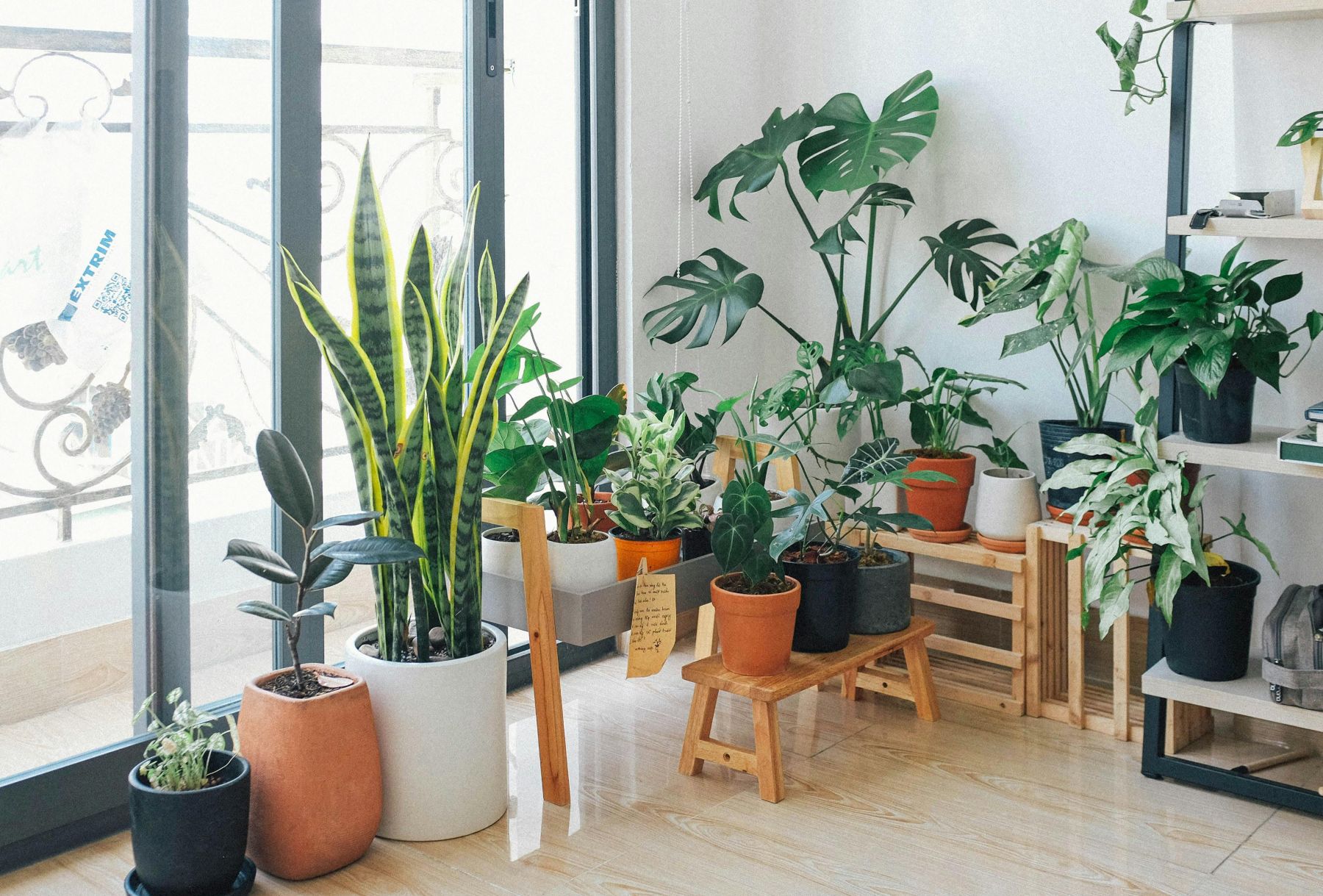
As winter approaches, it’s essential to take proactive steps to protect your potted plants from the impending cold. Timing is key when it comes to moving your plants inside. Most tender plants start to suffer when the temperatures at night drop below 10 degrees and by the time the first frosts hit, it might already be too late.
Special Care
Potted plants, especially those that are not winter-hardy, require special attention during the colder months. Many container plants need to be moved into frost-free areas and may benefit from frost protection covers. Even minimal frost can lead to wilting, blackening, or the death of plants.
Many Mediterranean and tropical potted plants are perennial, but cannot tolerate cold winter temperatures, as they are accustomed to milder climates.
Frost-Free Location
One effective strategy is to overwinter your potted plants in a cool, but frost-free location, ideally maintaining temperatures between five and 10 degrees Celsius (41 to 50 degrees Fahrenheit). It’s best not to overwinter plants in warm living spaces, cautioning that temperatures exceeding ten degrees Celsius (50 degrees Fahrenheit) can cause plants like fuchsias to become leggy, developing long, pale shoots. Whether choosing bright or dark locations, maintaining appropriate temperatures is crucial.
For those unable to bring plants indoors, wrapping pots can provide necessary insulation. Wrap terracotta pots in bubble polythene if they are too large to move or if indoor space is unavailable. Additionally, grouping pots together in a wind-protected area can help shield plants from harsh conditions. When grouping, placing smaller pots inside larger ones can offer extra protection.
Mulching and Monitoring
Mulching is another vital step in protecting potted plants during winter. Applying a layer of organic mulch around the base of the plant, approximately 5 centimeters (2 inches) thick, can help retain soil moisture and temperature. Leaves, straw, compost, bark, or conifer branches can serve as effective mulching materials. The covering layer should be between 15 to 30 cm in height to provide adequate insulation.
Monitoring soil moisture is crucial. Water potted plants about every two weeks during winter, as they require more frequent watering than those planted in the ground. However, overwatering should be avoided. Plants like money plants are susceptible to rotting if overwatered in winter. Instead, water them lightly when the soil feels dry. Indoor environments can become dry during colder months, so using a humidifier or placing a bowl of water near plants can help maintain necessary humidity levels.
Light exposure is another consideration. Evergreen plants need ample light even in winter but should be protected from direct sunlight. If indoor space is limited, some plants can benefit from humidifiers or water bowls nearby to maintain humidity. Regularly misting plants with water can also be helpful.
Pruning before overwintering can benefit plants by conserving energy. Before housing plants like fuchsias, a pruning is necessary. When pelargoniums and fuchsias awaken in winter with active sunlight, they should be pruned again, fed, and returned to fresh soil as the cold weather ends. Removing sick and weak shoots ensures that the plant doesn’t waste energy on them in the coming season. Stop fertilization from September and reduce watering from October to prepare plants for dormancy.
Regularly checking plants for pests and fungal infestations is important during the winter months. Plants still need care on cold days to get through the winter powerfully.
For those considering overwintering plants in a garage, it’s not advisable without further consideration. There are several aspects to consider, and alternatives like a wind-protected house wall or a winter garden might be better options for housing sensitive plants.
In regions where frosts are rare, simple measures might suffice. Moving pots to a wind-protected place and covering them with blankets or sheets can be adequate protection. Applying straw bales around the edges of grouped pots can offer additional insulation.